AGV navigation
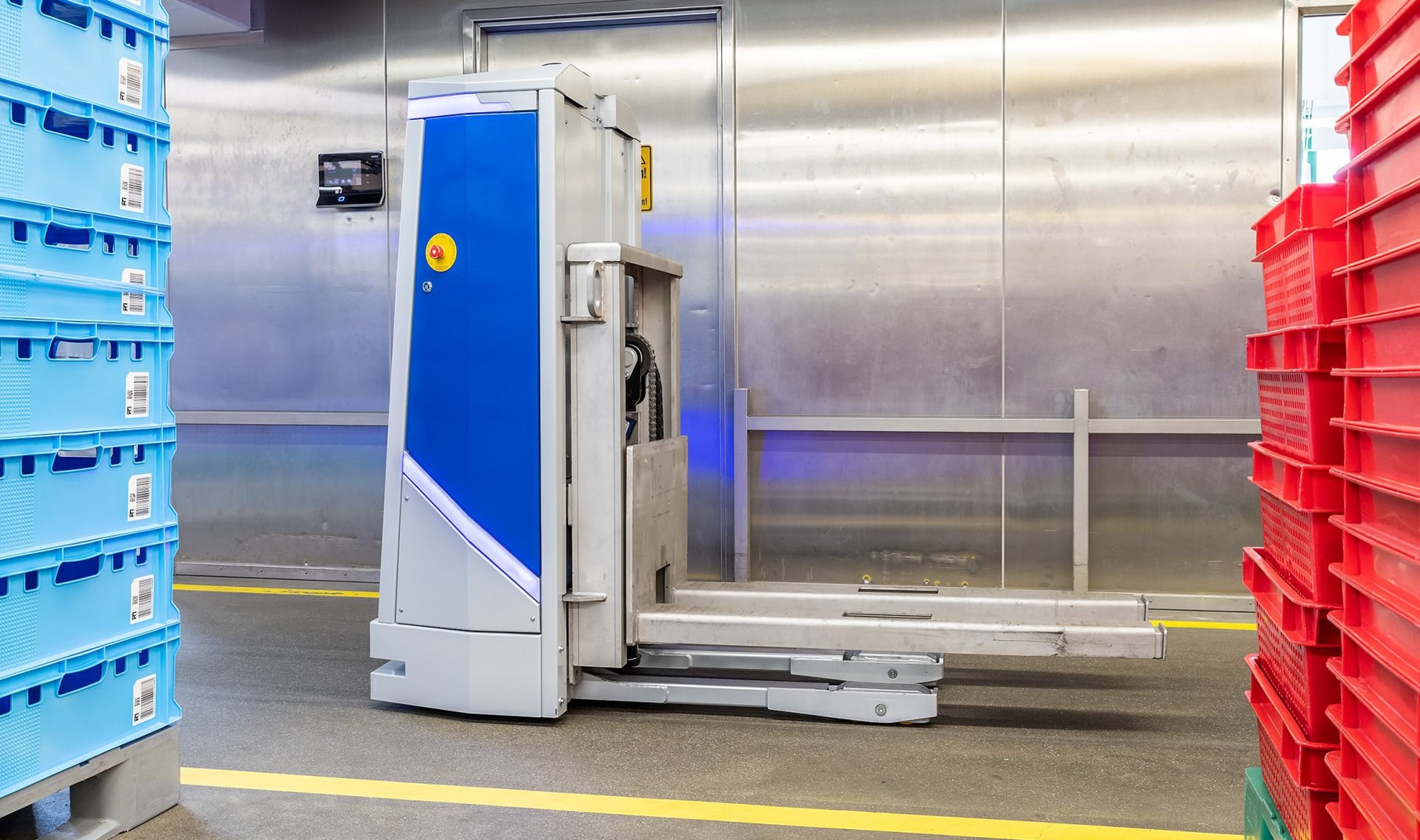
WEWO Techmotion always looks for an optimal way of navigating. This is different for each situation, and several factors are decisive for this. Consider for example the environment, the functionality of the AGV and the desired dynamics. Broadly speaking, we distinguish the following ways.
Natural navigation
Natural navigation uses structures and contours in the environment as a reference for positioning. This means that no new infrastructure is needed, such as inductive wires, magnets or reflectors. This navigation method uses structures and contours, possibly in combination with basic reflectors. The use of these types of reflectors ensures the best possible positioning.
Laser guidance
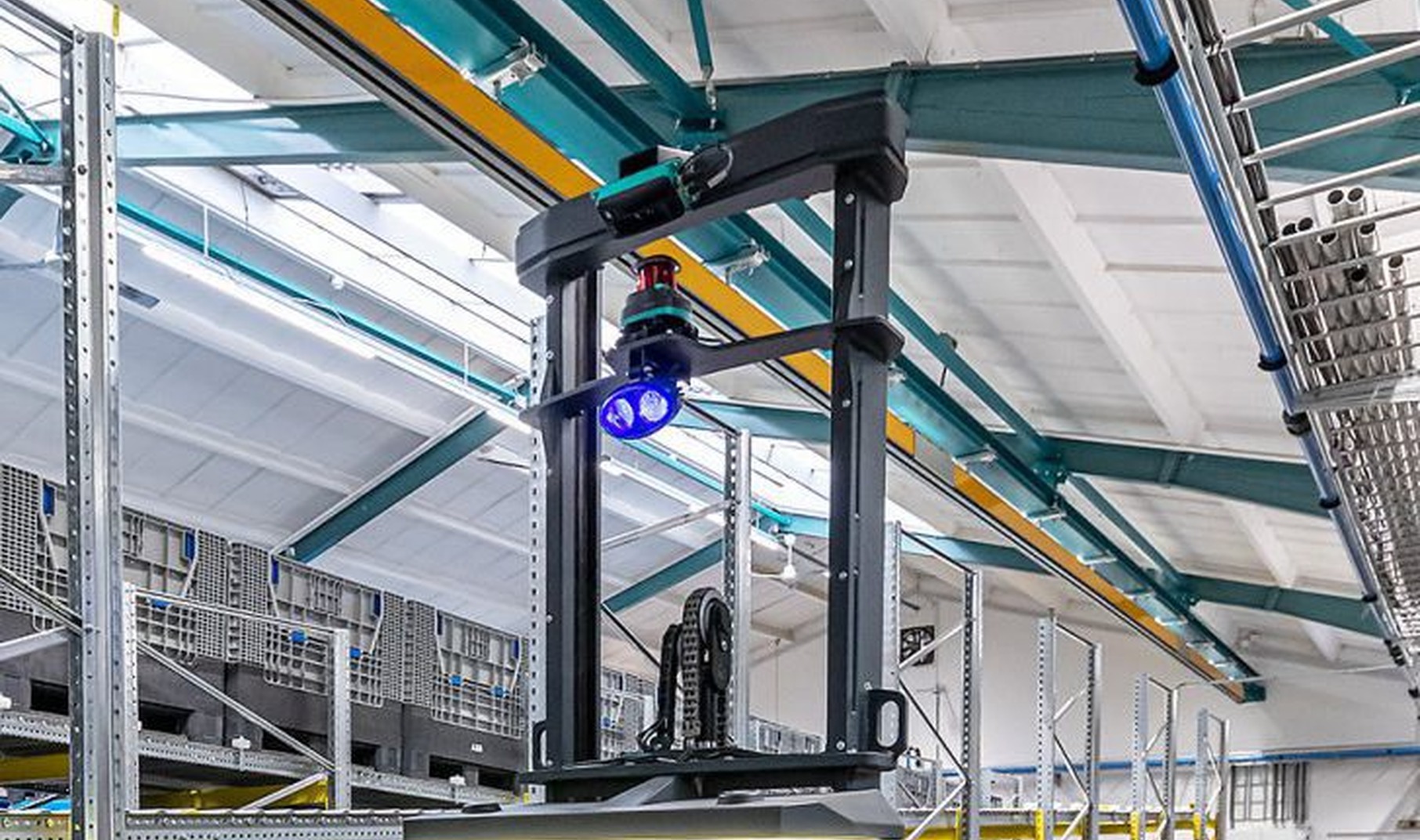
When opting for laser guidance, a laser scanner is installed on top of the AGV. This scanner scans the environment for reflectors. The AGV then converts the data from the laser scanner into the position of the AGV using a triangulation algorithm (measurement method). The position is subsequently confirmed using dead reckoning (measurement method). This process makes laser guidance and extremely accurate way of navigating.
Line guidance (optical/magnetic)
When using line guidance, an optical or magnetic scanner is mounted on the automated guided vehicle. The camera determines the location of the line in the image and uses this to position the vehicle. Thanks to 2D codes, the camera can receive commands and position the AGV in the driving direction.
Rail guidance
Rail guidance is the most robust but also the least flexible method of guidance. This is because the AGV follows a fixed route, which is defined in advance.
Automated guided vehicles with the right navigation method
Are you looking for automated guided vehicles, i.e. AGV, combined with the right navigation method? WEWO Techmotion likes to think along with you. Challenge us, make your wishes known and schedule a no-obligation consultation!